Winter and early spring challenges
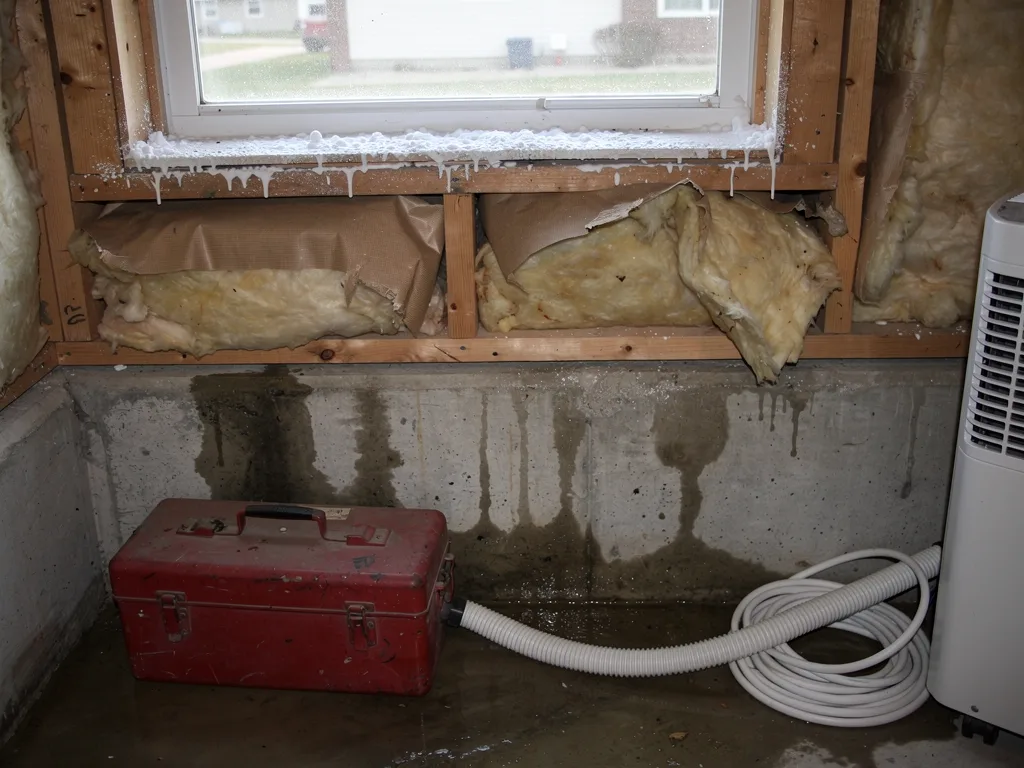
Cold months bring pipe stress and possible bursts. If a pipe freezes, heat losses, and rapid thaw can push moisture into walls. Inside, you may notice higher humidity or damp spots after the thaw. The first sign is a musty scent or a cold spot that stays damp after you run a heater. Our North Dakota statewide crews know how to locate the moisture without ripping apart walls and how to dry out quickly to prevent hidden damage.
During winter, check for any condensation around windows and doors. Poor sealing can push moisture into wall cavities. A restoration specialist can assess insulation and moisture levels behind surfaces and advise on where to seal and dry out.
Spring thaw and storm season
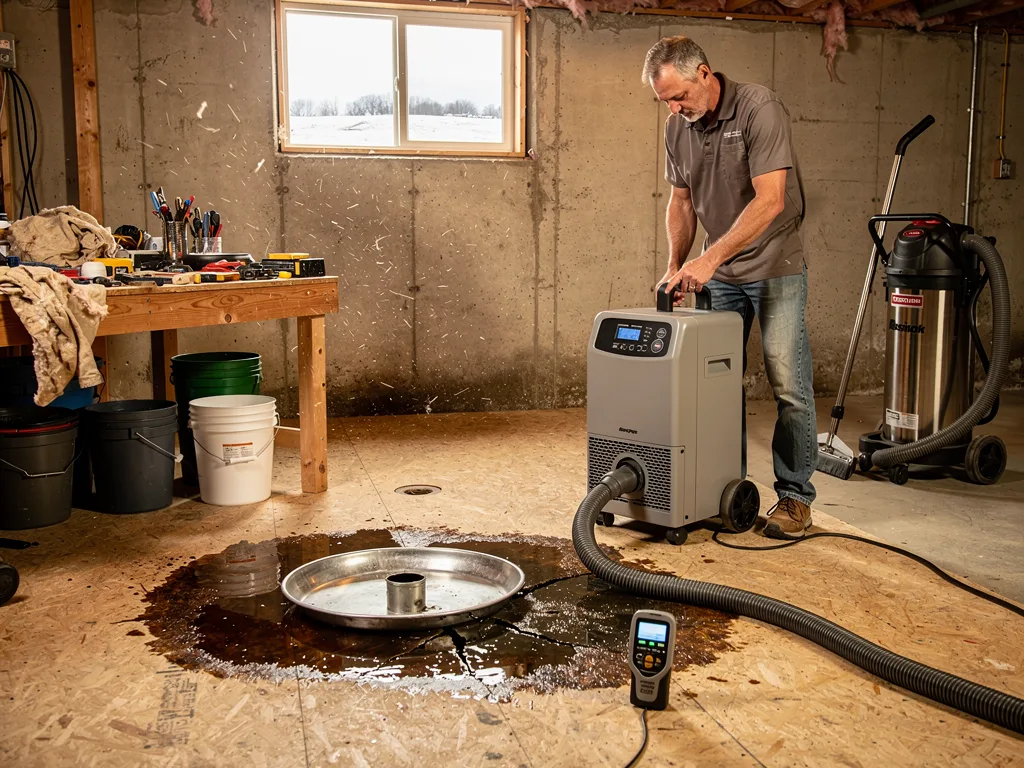
Spring often brings heavier rains and melting snow. Ground moisture can migrate toward basements and crawl spaces. If you notice damp basements, wet corners, or a musty smell in a lower level, that’s a sign to call a restoration specialist for an on-site check. We work statewide, so no matter where you are in North Dakota, our team can map moisture flow and outline a drying plan.
Preventive steps are simple. Ensure gutters drain away from the foundation, inspect window wells, and keep grading sloped to shed water away from the house. A small investment in maintenance now can prevent large-scale drying and restoration later.
Summer heat and humidity management
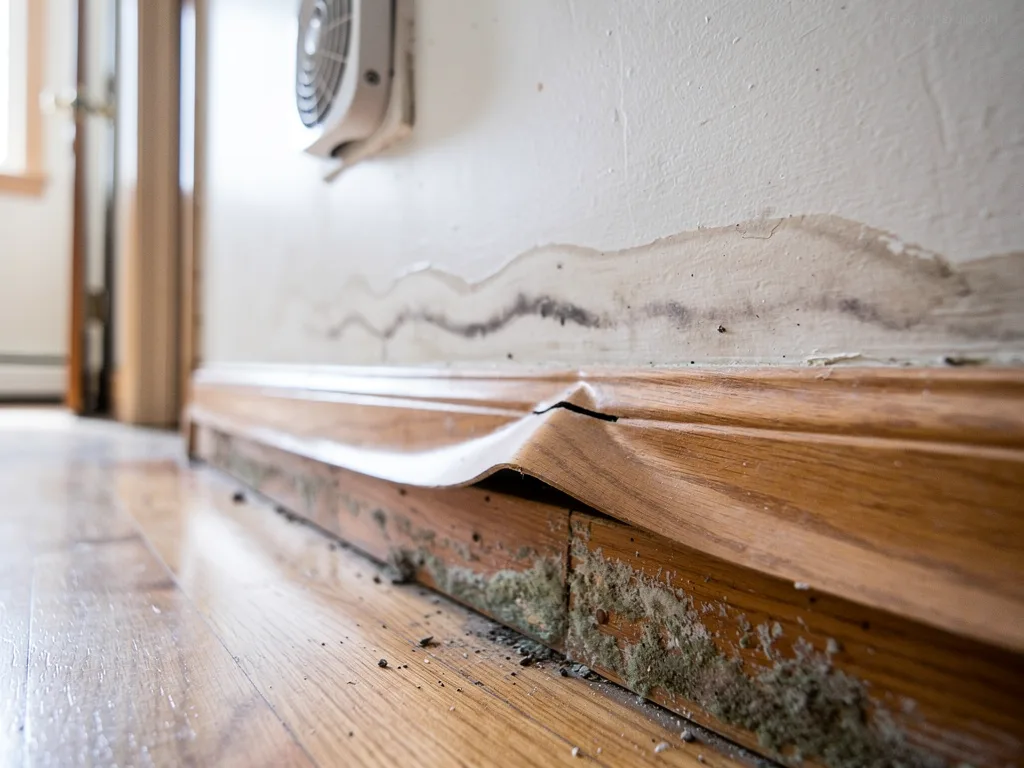
Summer humidity is the other side of the coin. In North Dakota, heat coupled with storms can push moisture into attics and upper living spaces. Look for warped trim, paint peeling, or damp odors in upper rooms. If you see signs, a restoration specialist can assess attic moisture and help you dry and ventilate properly. Regular attic inspections and sealing gaps reduce the risk of moisture moving into living spaces.
In all seasons, the message is simple: monitor, act, and involve a professional when you’re unsure. North Dakota Water Damage Experts stay ready across the state to respond with a clear plan, not a guess.